

29/05/2025
From 5:30 p.m. to 7:30 p.m.
Online
Castellà
Differential Diagnosis of Personality Disorders
Personality disorders represent an important diagnostic challenge for clinical professionals today. On the one hand, their identification cannot be based solely on the semiological study of symptoms and signs, but requires a careful assessment of deeper aspects such as personality structure, the individual’s sense of identity, and ways of relating to others. On the other hand, the high comorbidity of personality disorders with other clinical conditions—such as affective disorders, eating disorders, or substance use disorders—often results in them being masked by Axis I diagnoses. This delays both detection and the start of appropriate treatment. In addition, there remains a certain tendency to use the diagnosis of personality disorder as a kind of “catch-all,” applied to people perceived as difficult, without clear belonging to a defined diagnostic subtype.
All this makes the diagnosis of personality disorders complex and challenging. However, we now know that early detection is essential, as we have specific and effective therapeutic tools. If we manage to identify these disorders in time, we will also be able to treat them more effectively.
This will be the central focus of the monographic session.
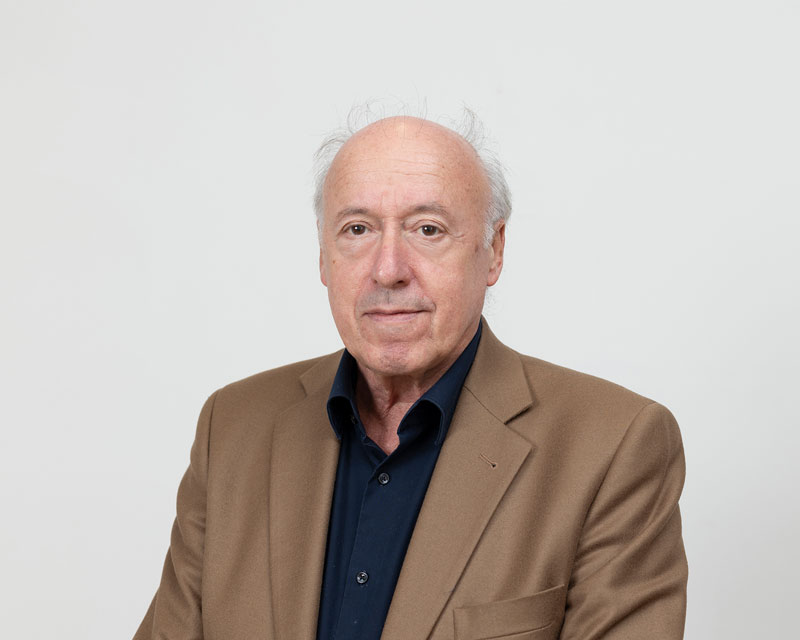
Joan Vegué – psychiatrist and psychotherapist
Psychiatrist and psychotherapist. Medical Director of CPB Serveis Salut Mental. President of Grup-TLP Barcelona.