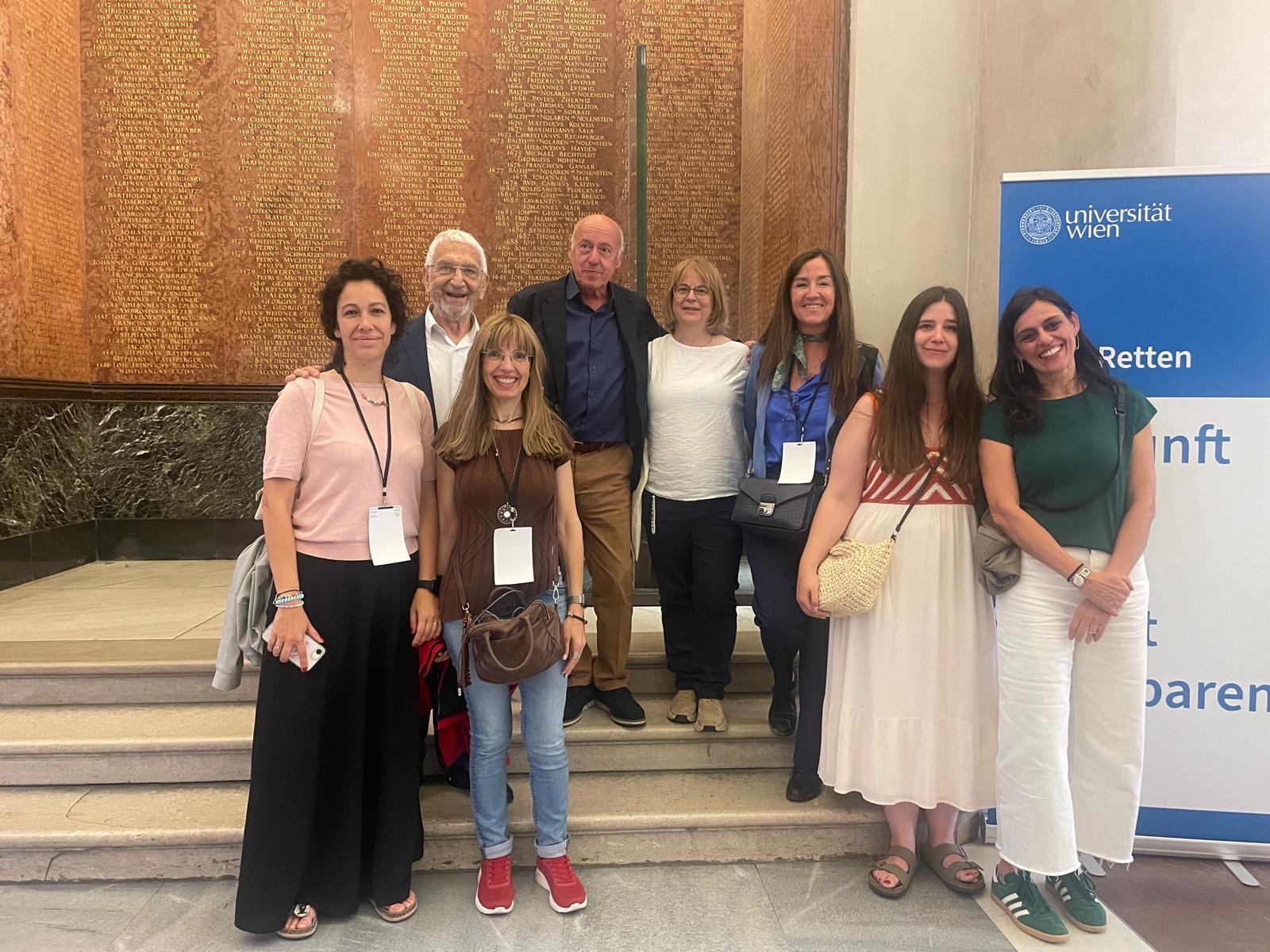
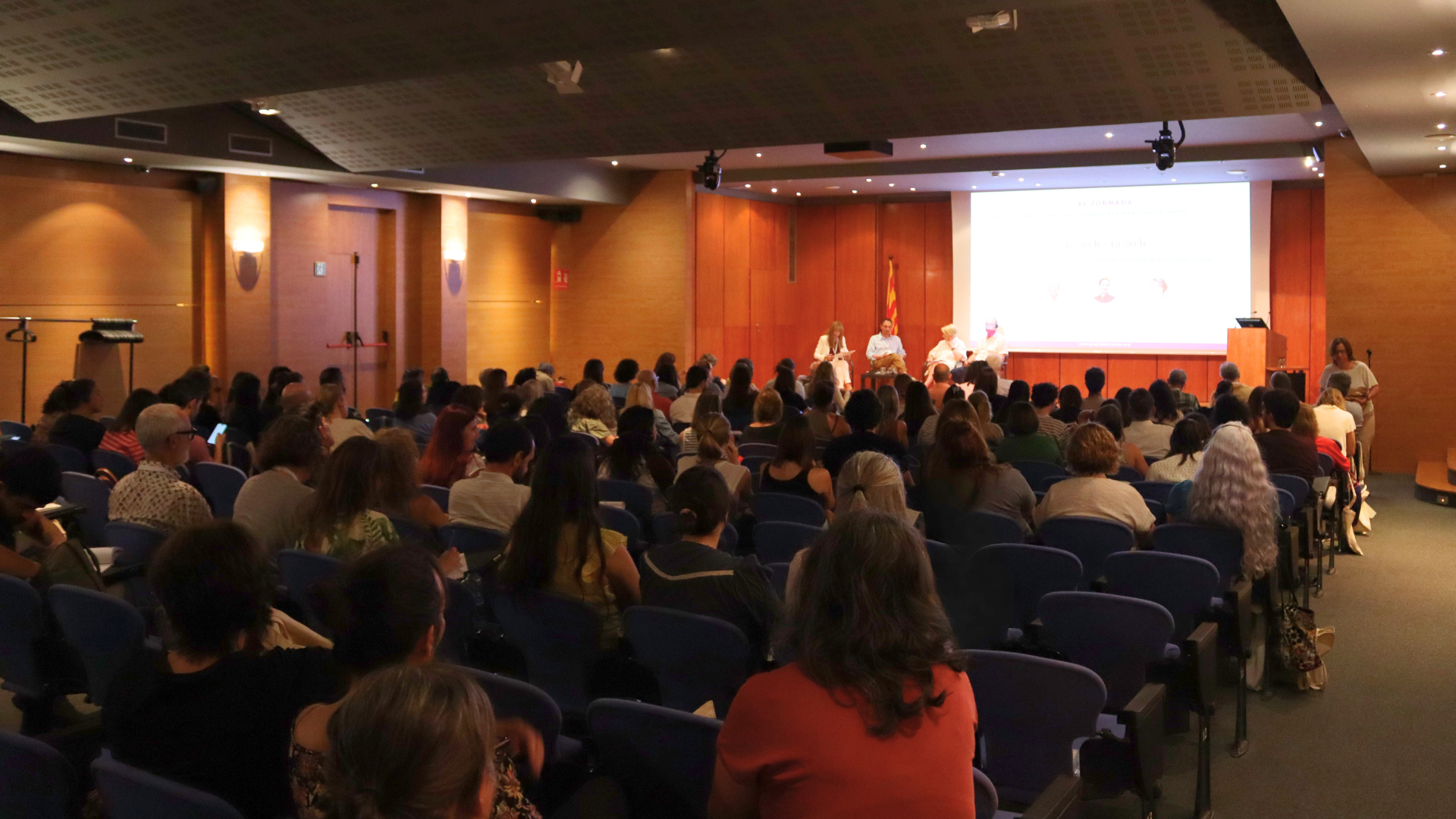
On June 4, 5, and 6, 2026, members of Grup-TLP Barcelona actively participated in the IX Biennial Conference of the International Society of Transference-Focused Psychotherapy (ISTFP), an international meeting that brings together some of the most prominent clinicians, researchers, and educators in the field of Transference-Focused Psychotherapy (TFP).
The conference offered an in-depth exploration of the main advances in TFP, addressing topics such as the improvement of the capacity to love and work, the application of the model in various clinical contexts, the dynamics of love and aggression, the treatment of childhood trauma, and contemporary revisions of drive and affect theory.
The program featured internationally renowned figures such as Frank Yeomans, Eve Caligor, John Clarkin, Stephan Doering, Chiara De Panfilis, Richard Hersh, Nicole Cain, Irene Sarno, Karin Ensink, Lina Normandin, Alexander Sheppe, and Otto Kernberg. Mark Solms also participated via videoconference, presenting an update on the Freudian theory of drives and affects.
Contributions from Grup-TLP Barcelona
The participation of Grup-TLP Barcelona was especially relevant in the most prominent spaces of the congress, with a workshop and a research symposium that concentrated the main scientific and training contributions:
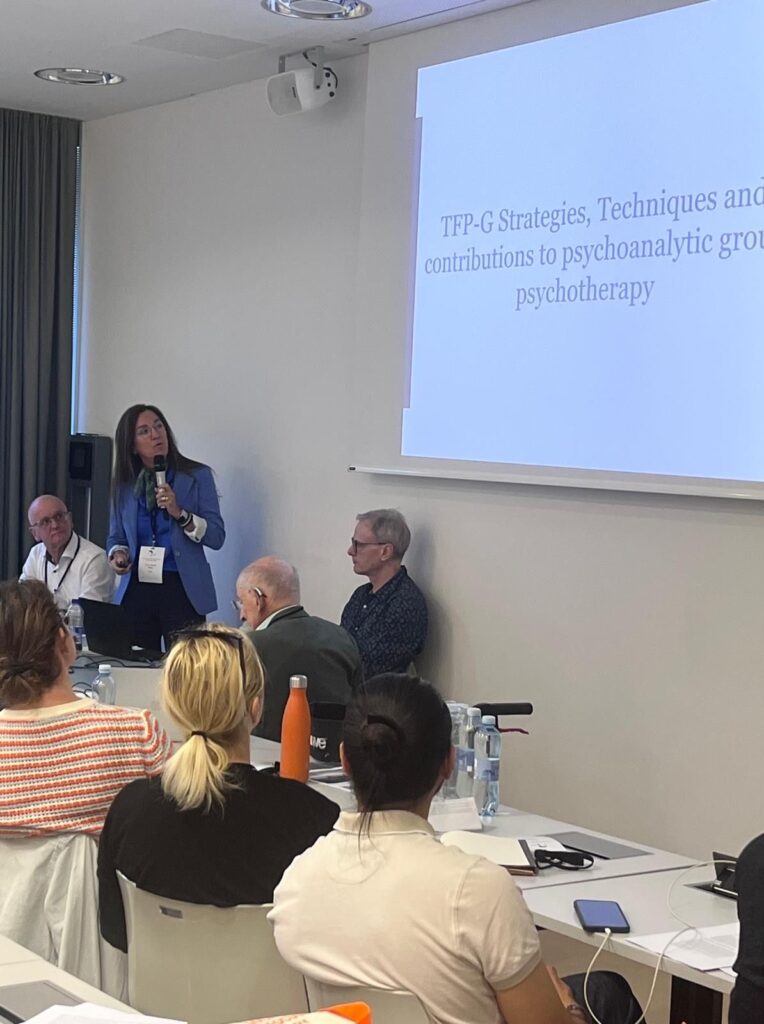
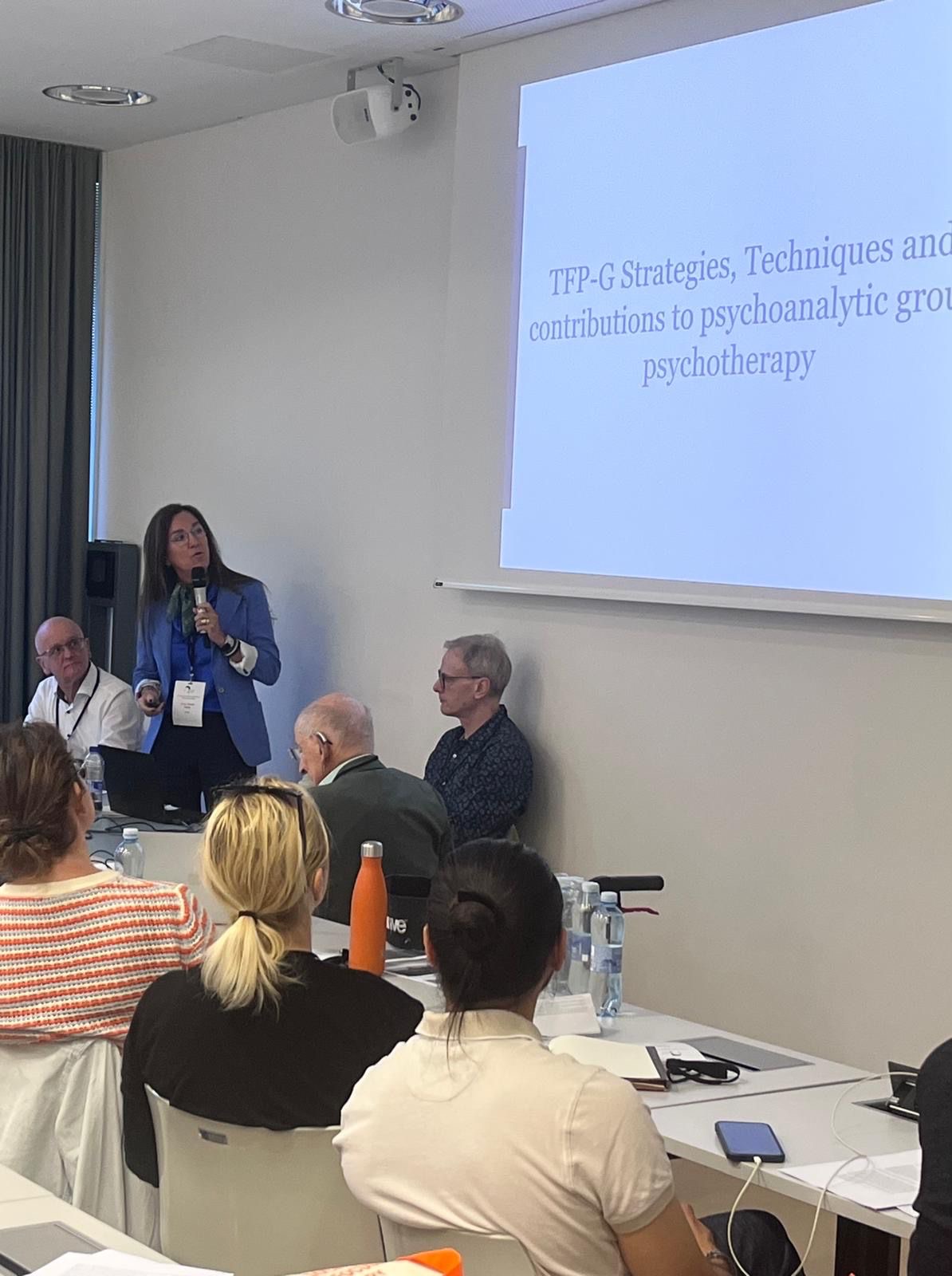
Workshop on TFP Group Psychotherapy (TFP-G)
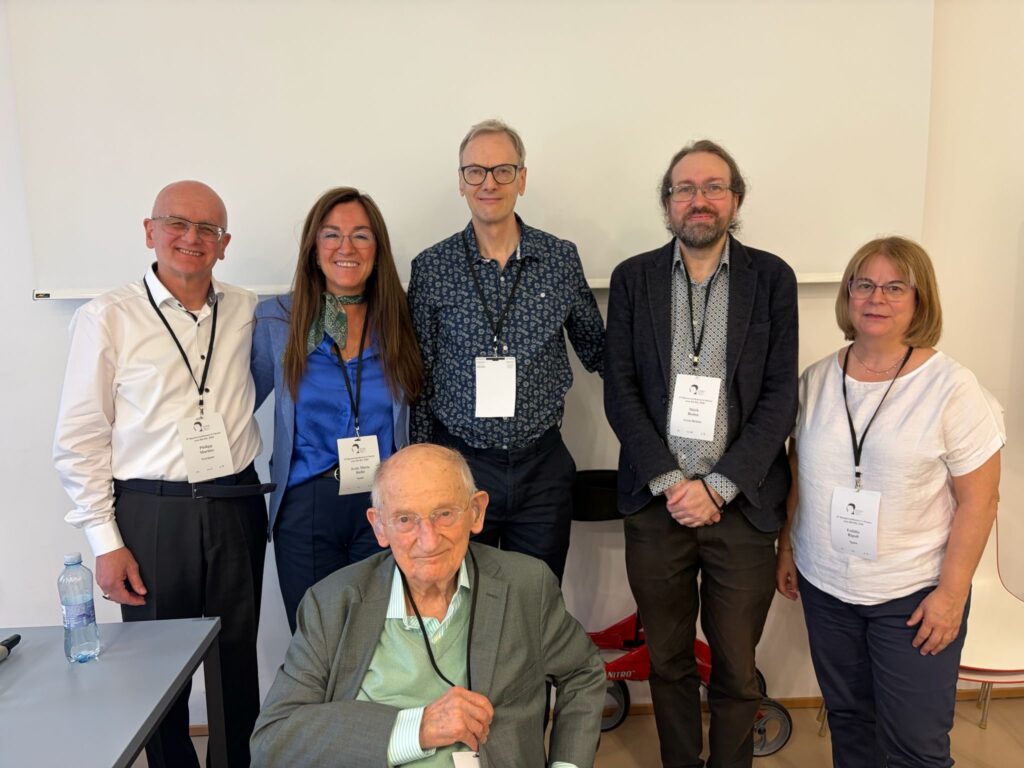
Led by María Jesús Rufat and Eulàlia Ripoll, an intensive three-hour session was held together with Professor Otto Kernberg, Philipp Martius, and Jonathan Radcliffe. During the workshop, the TFP-G model was presented and a live supervision of a clinical session was conducted, illustrating its theoretical foundations and practical application.
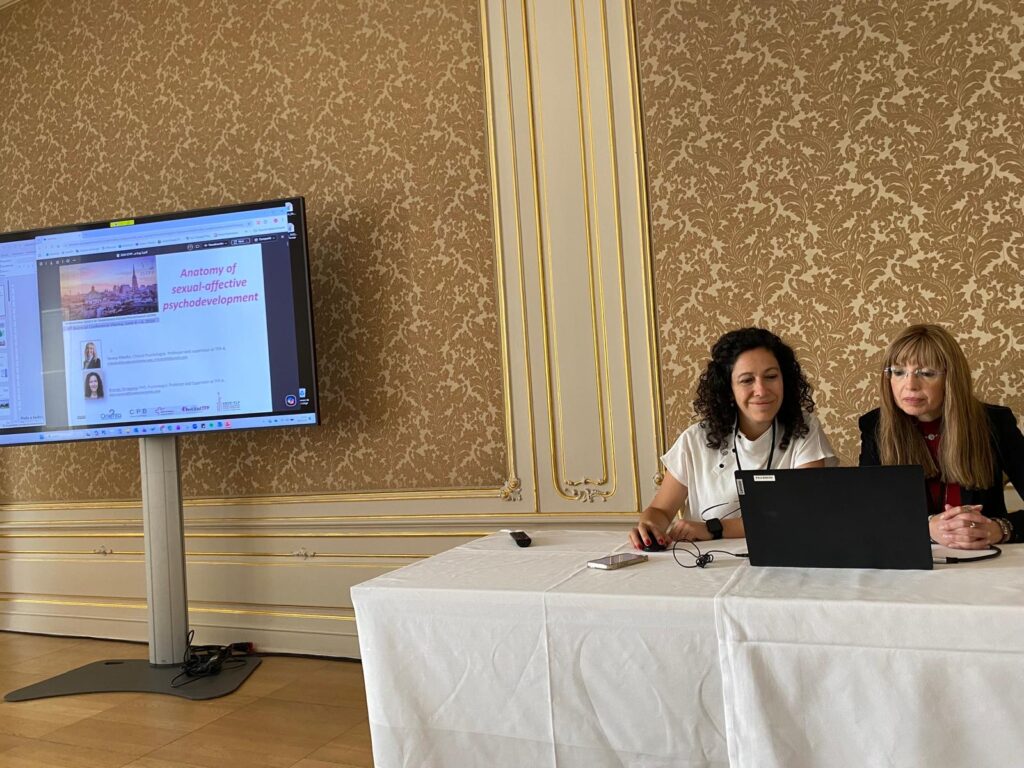
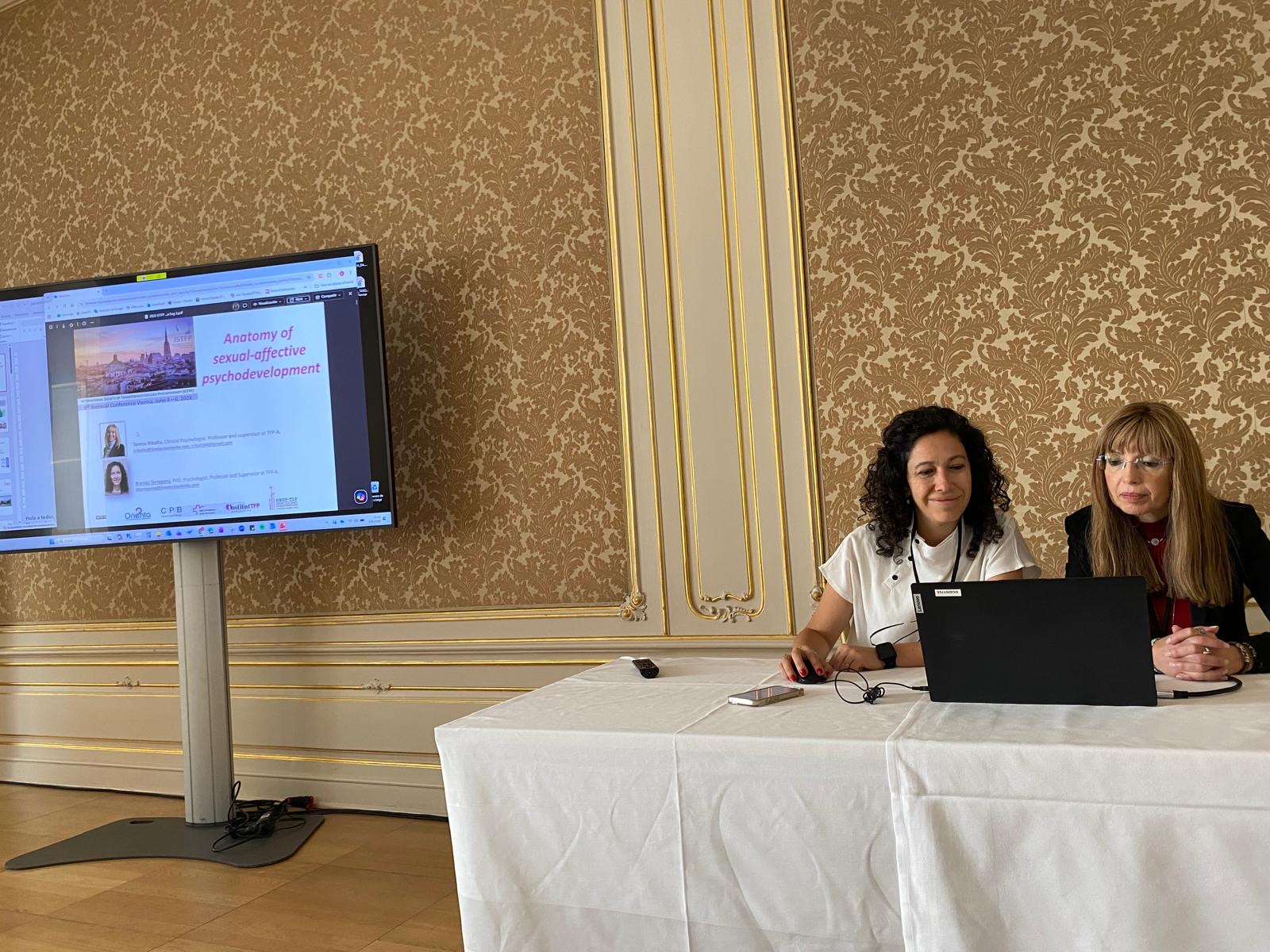
Symposium: Anatomy of psycho-sexual development
Presented by Teresa Ribalta and Brenda Tarragona, this symposium analyzes how levels of identity integration and the impact of trauma pose challenges to achieving mature psycho-sexual functioning. The work shares clinical experience with TFP-G in adolescents and reinforces the importance of prevention at these developmental stages. The presentation was included in the symposium “TFP-A in Different Settings,” together with contributions from Maya Krischer and Lina Normandin.
Posters presented
In addition, research posters were presented, reflecting lines of study and clinical development within the TFP model:
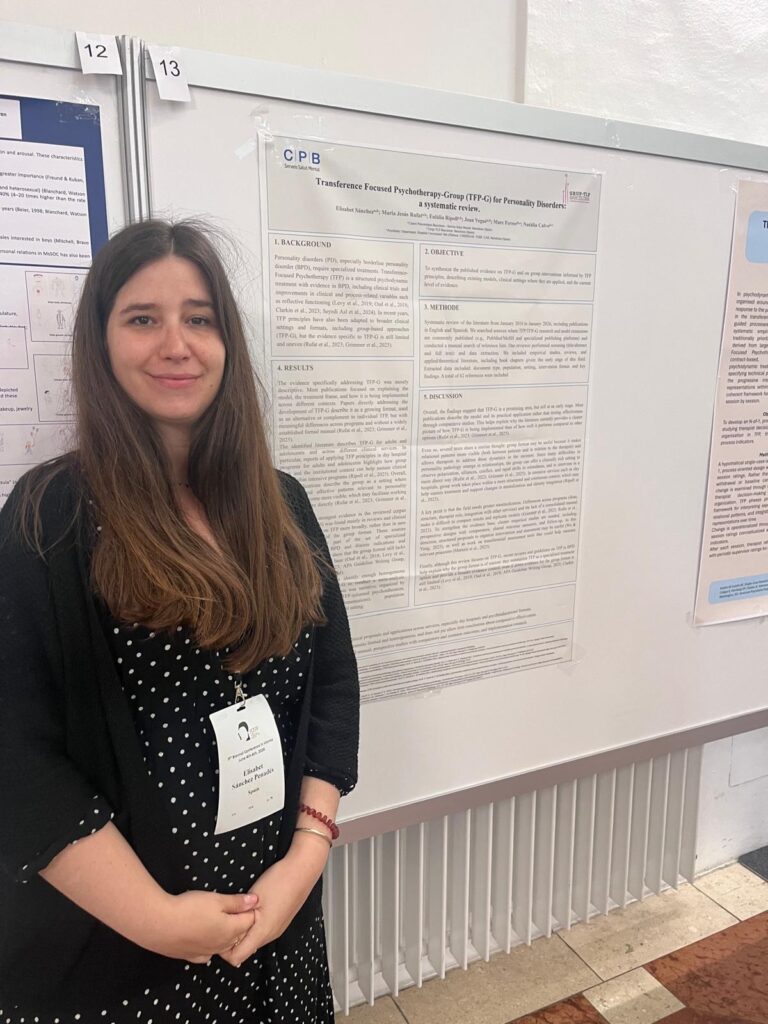
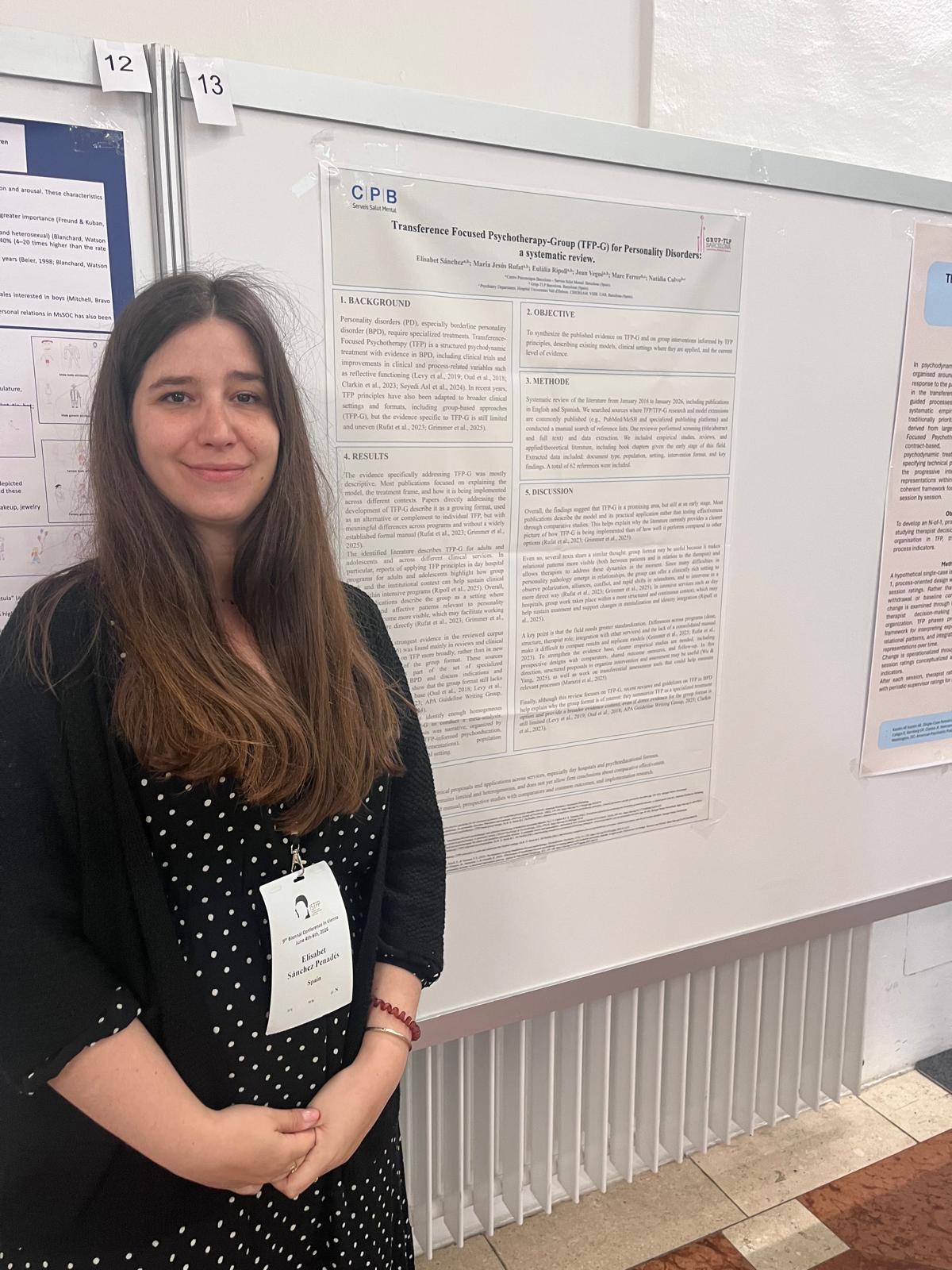
Transference-Focused Group Psychotherapy (TFP-G) for personality disorders: a systematic review
Presented by Elisabet Sánchez (psychologist). The work examines the available evidence on the application of Transference-Focused Psychotherapy principles in a group format for the treatment of personality disorders, identifying main findings, current research limitations, and future directions for the development of this therapeutic model.
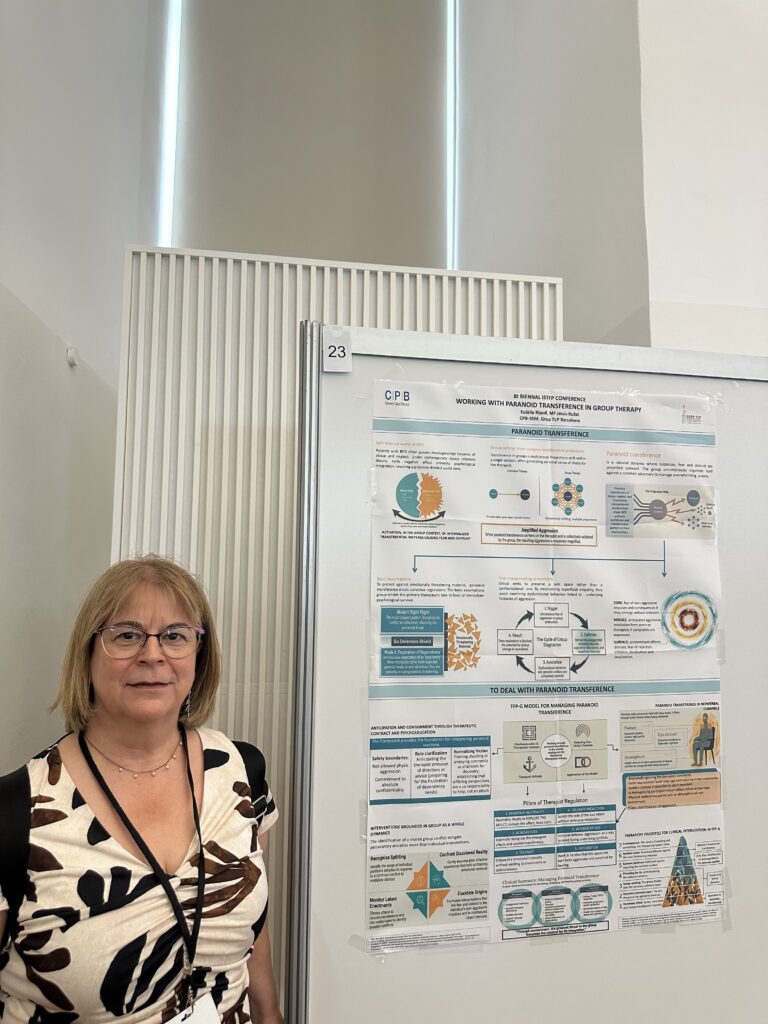
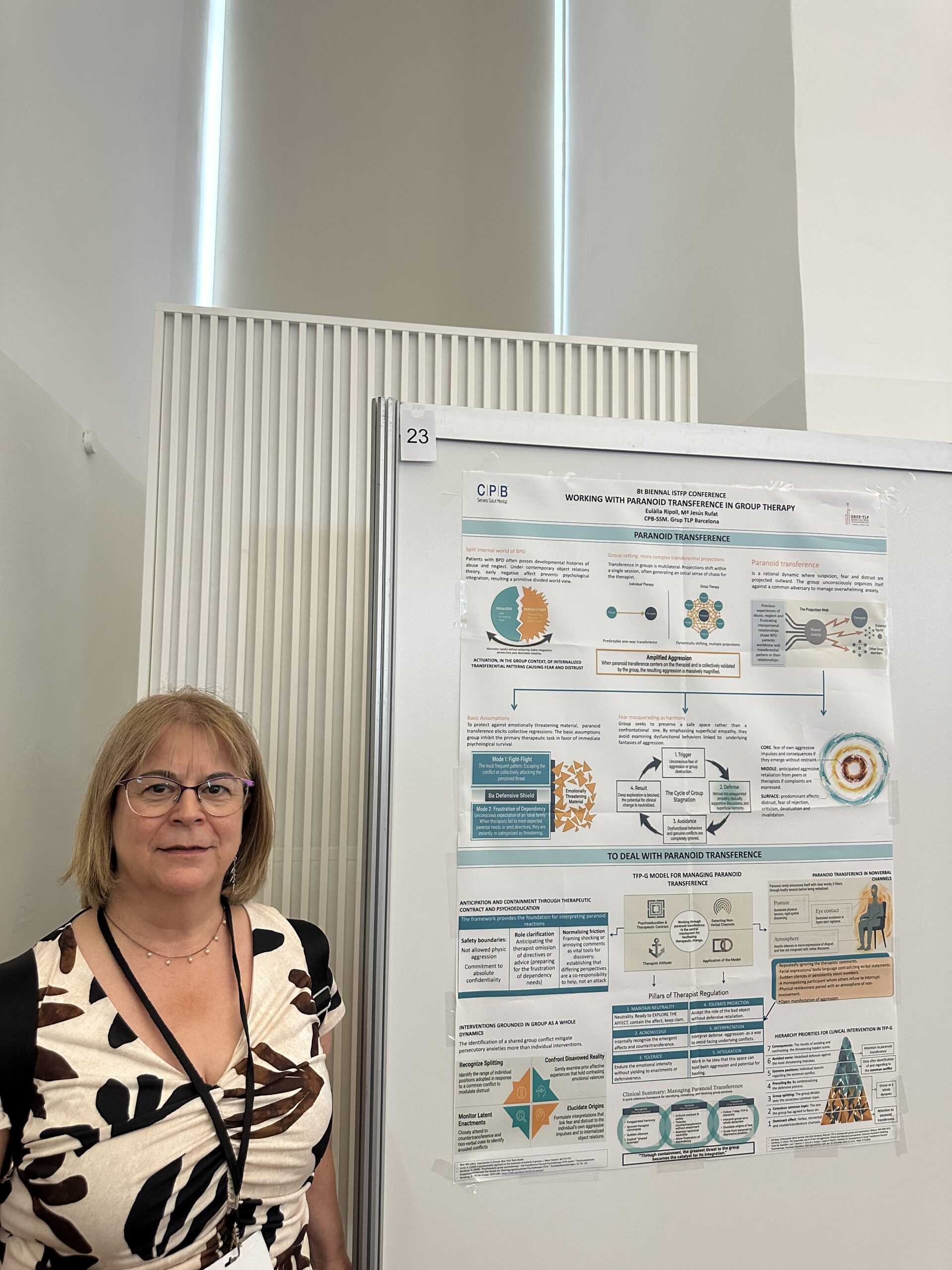
Working with paranoid transference in group psychotherapy
Presented by Eulàlia Ripoll (psychiatrist). The study explores how experiences of distrust, fear, and projection can organize group dynamics and hinder the therapeutic task, as well as specific interventions that allow these phenomena to be transformed into opportunities for psychological understanding and integration within the group process.
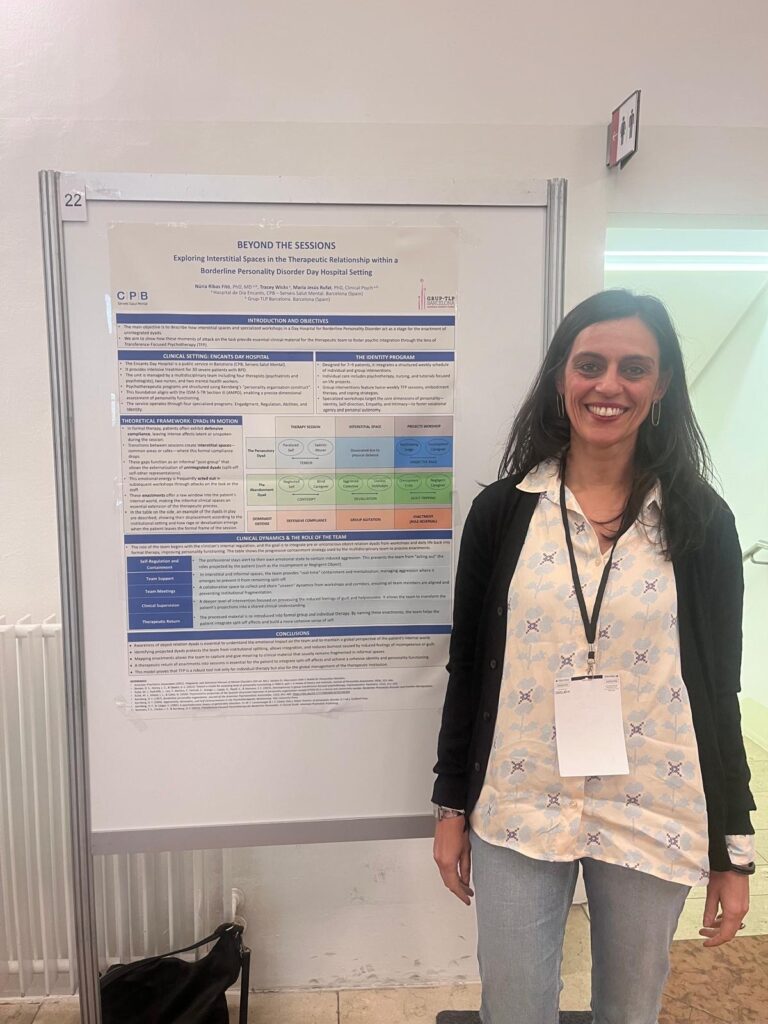
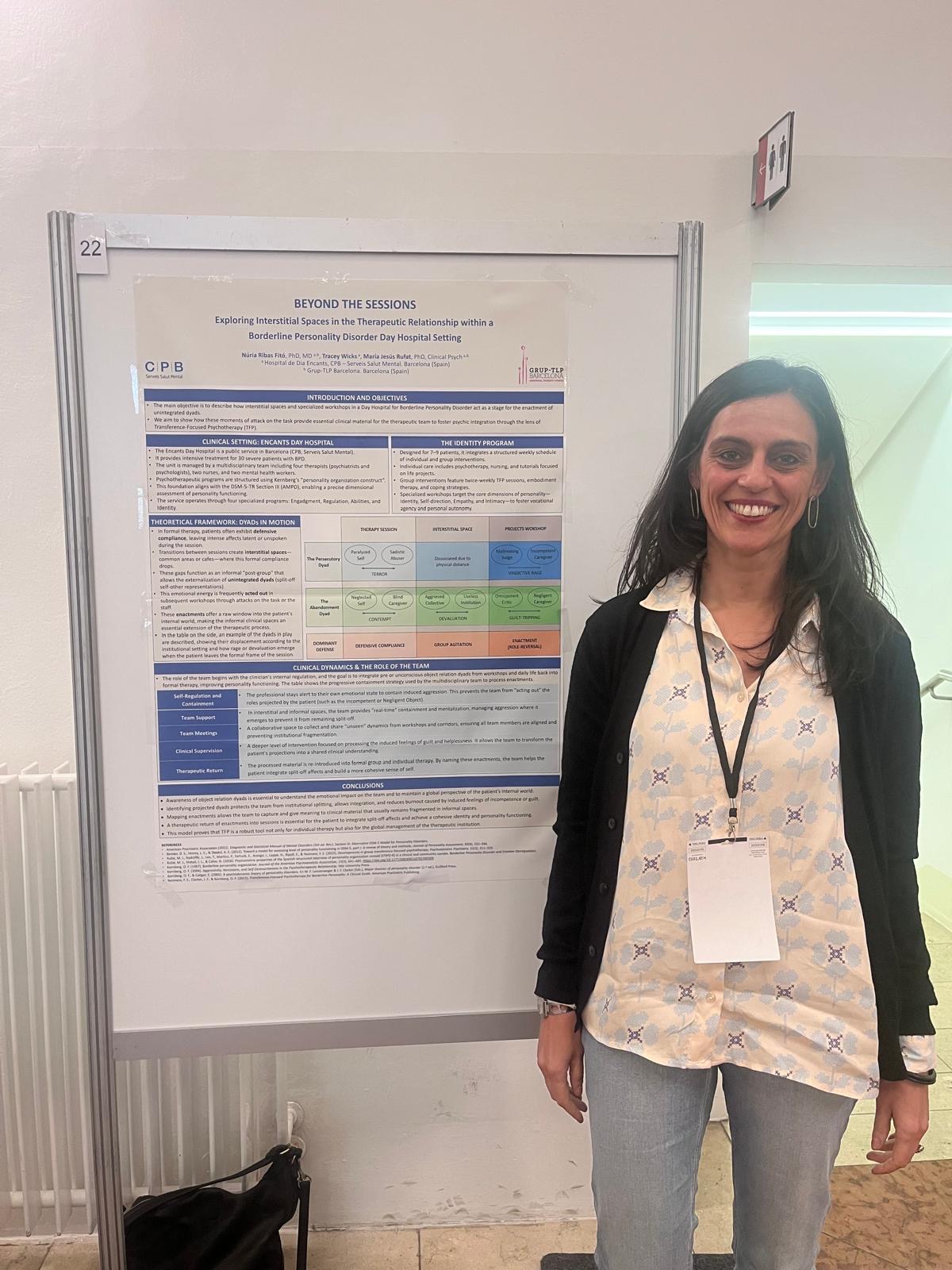
Exploring interstitial spaces in the therapeutic relationship in a Day Hospital for Borderline Personality Disorder
Presented by Núria Ribas (psychiatrist). The study analyzes the clinical value of complementary spaces and activities within the care setting of the Encants Day Hospital, showing how informal moments, specialized workshops, and daily interactions can become privileged scenarios for the expression of unintegrated dynamics. From a TFP perspective, these phenomena offer relevant therapeutic opportunities to promote mentalization, identity integration, and coordinated team work.
From Grup-TLP Barcelona, we would like to express our sincere gratitude to the Scientific Committee and the Local Organizing Committee, led by Stephan Doering and Victor Blüml, as well as to the entire ISTFP and TFP Austria team, for the excellent organization of a conference that has become a privileged space for scientific exchange, training, and professional growth.
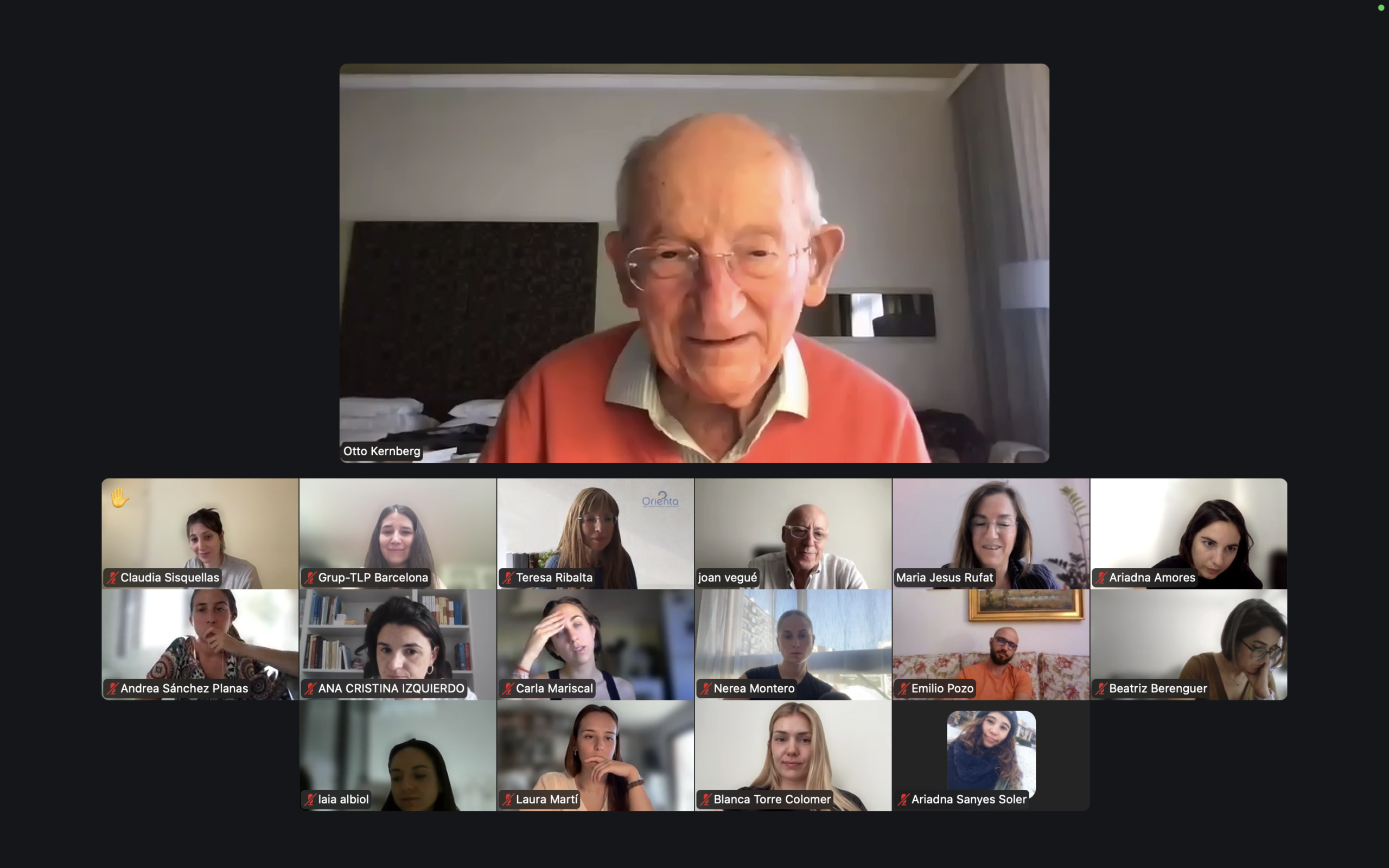
We return to clinical practice with new tools, new ideas, and renewed motivation to continue advancing in patient care. We face the future of psychotherapy with determination from the TFP Barcelona Institute, supported by a strong community of professionals and by our commitment to ongoing training, which we maintain weekly alongside our esteemed professor Otto Kernberg.
We look forward to seeing you at the next biennial conference!